The phrase “let them eat cake” remains one of history’s most enduring misattributions. Countless references in literature, politics, and popular culture have cemented the idea that Marie Antoinette, the last queen of France before the Revolution, uttered these callous words when told the peasants had no bread. Yet the historical record tells a markedly different story—one that predates her birth by over a decade and traces the quote to an entirely different source.
This investigation into the origins of “let them eat cake” reveals how historical narratives can become distorted over time, serving as powerful tools of propaganda and political messaging. The truth behind the phrase exposes the mechanics of myth-making during periods of social upheaval.
Did Marie Antoinette Really Say “Let Them Eat Cake”?
The short answer is no—Marie Antoinette almost certainly never said these words. The attribution emerged centuries after her execution in 1793 and contradicts the established timeline of the phrase’s actual origins. Contemporary sources from the French Revolution make no mention of Antoinette uttering anything remotely similar, despite the phrase supposedly capturing her indifference to peasant suffering during one of France’s most turbulent periods.
Rousseau’s Confessions (1765–1769)
Falsely tied to Marie Antoinette (1789+ rumors)
Symbolic response to bread shortages and class insensitivity
Enduring symbol of aristocratic detachment
Key Takeaways
- The phrase predates Marie Antoinette by approximately 24 years
- The original attribution was to an unnamed “great princess” in Rousseau’s memoir
- The quote functioned as anti-aristocrat propaganda during and after the Revolution
- During bread shortages, French law required bakers to sell brioche when standard flour became unavailable
- The misattribution persists in modern pop culture despite consistent debunking by historians
- No contemporary revolutionary documents link the phrase to Antoinette
Snapshot Facts
| Fact | Details | Source |
|---|---|---|
| English Phrase | Let them eat cake | Translation |
| Original French | Qu’ils mangent de la brioche | Rousseau, Confessions |
| First Appearance | 1765–1769 (posthumous publication 1782) | Confessions, Book VI |
| Mythical Attribution | Marie Antoinette (1755–1793) | 19th-century hearsay |
| Revolutionary Connection | French Revolution began 1789 | Historical record |
| Earliest Antoinette Link | 1843’s Les Guêpes | Printed source |
Who Actually Said “Let Them Eat Cake” and What Is Its Origin?
The phrase “Qu’ils mangent de la brioche”—translated as “Let them eat brioche”—first appeared in Jean-Jacques Rousseau’s autobiographical work Confessions, composed between 1765 and 1769. Rousseau wrote about an occasion when he sought bread for stolen wine and felt too elegantly dressed to enter a common bakery. He then recalled “the pitiless answer” of an unnamed “great princess” who, upon hearing that peasants lacked bread, allegedly responded: “Let them eat brioche.”
The True Source: Rousseau’s Confessions
Rousseau included this anecdote in Book VI of his Confessions, though the work’s first six books were not published until 1782—after his death. The philosopher never identified which princess he meant, and scholars widely believe he may have invented or fictionalized the story entirely. His Confessions blends factual recollection with creative embellishment, making precise verification difficult. For more on Rousseau’s autobiographical works, see this comprehensive overview of Rousseau’s writings.
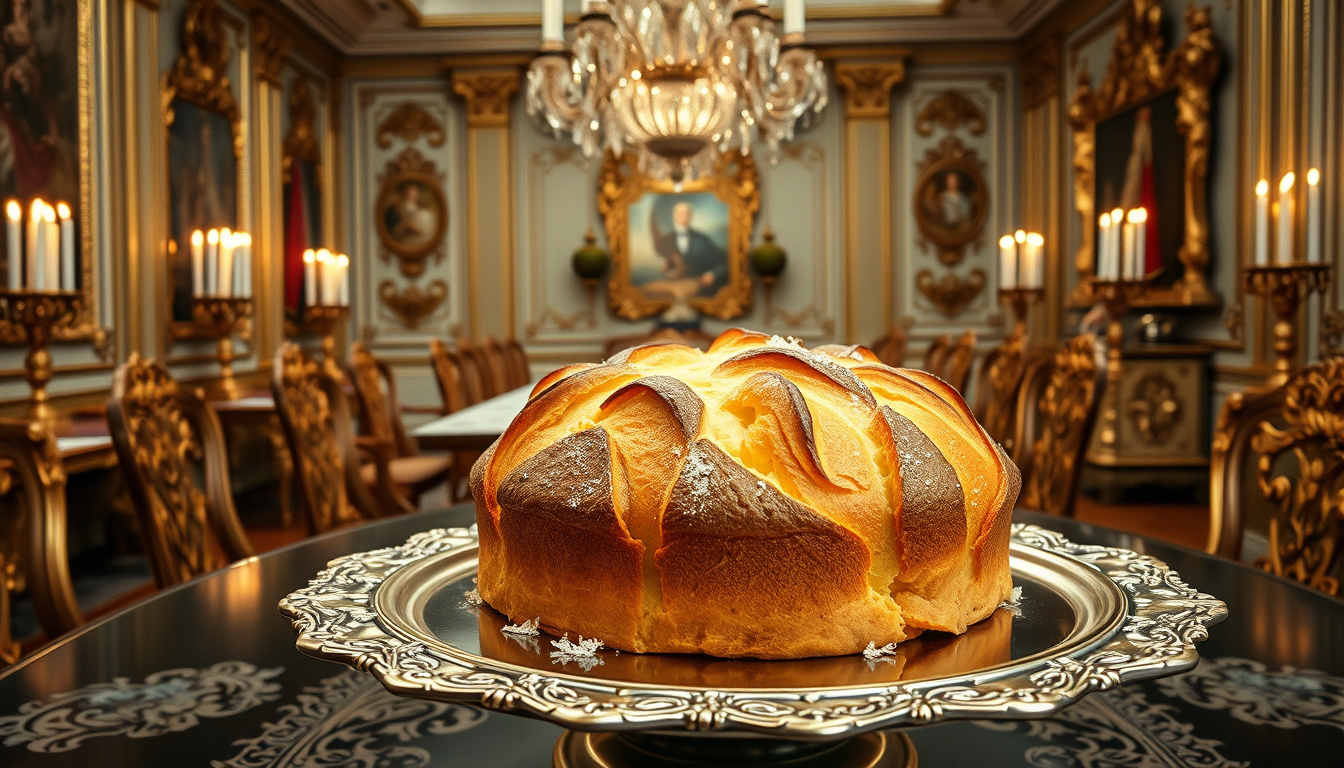
The French word “brioche” refers to an enriched bread containing eggs, butter, sugar, and yeast—a far cry from the simple flour, water, and salt that composed basic peasant bread. This distinction makes the alleged statement even more tone-deaf, as brioche represented luxury in 18th-century France.
Why the Mix-Up With Marie Antoinette?
Several factors contributed to the misattribution. Rousseau’s Confessions gained enormous influence among revolutionary thinkers, and his reputation as a critic of the Ancien Régime made anything he wrote politically potent. Readers seeking to vilify Marie Antoinette during and after the Revolution retrofitted his vague “great princess” reference to fit their narrative. This process of retroactive demonization was common during the Revolution, where historical figures were often transformed into symbols of broader political grievances.
Marie Antoinette was born in 1755, making her only 9 to 14 years old when Rousseau wrote the passage. She arrived in France from Austria in 1770 and became queen in 1774—five to nine years after Rousseau composed the phrase. The chronological impossibility alone should have dispelled the myth, yet it gained traction precisely because it served political purposes. The biographical timeline of Marie Antoinette confirms these dates definitively.
No contemporary revolutionary newspapers, pamphlets, or speeches cite Antoinette making this statement. The first known printed connection to her appears in 1843’s Les Guêpes, which cited a 1760 book to debunk the rumor—suggesting the story had been circulating as hearsay for decades without solid attribution.
What Does “Let Them Eat Cake” Mean?
At its core, the phrase represents a dismissive response to hardship experienced by lower social classes. The supposed speaker demonstrates ignorance of or indifference to the struggles faced by ordinary people, specifically food insecurity during periods of scarcity. In the context of 18th-century France, bread shortages were a recurring crisis that affected the poorest segments of society, making the phrase particularly provocative.
The Symbolism of Brioche
Brioche occupied a specific position in French culinary hierarchy. While ordinary bread—made primarily from flour, water, and salt—served as the staple of peasant diets, brioche represented refinement and privilege. Its enriched ingredients placed it firmly in the domain of the wealthy and aristocratic. Suggesting that starving peasants eat brioche instead of bread demonstrated a profound disconnect from lived reality. This overview of food culture during the French Revolution provides additional context on the period’s culinary distinctions.
During severe bread shortages, French regulations sometimes required bakers to sell brioche when flour supplies ran short for common bread. This legal mechanism attempted to ensure some food availability, though it hardly addressed the underlying economic problems causing scarcity. The regulation has occasionally been mischaracterized as a “brioche law,” though no specific legislation by that name exists in the historical record.
Class Tensions in Pre-Revolutionary France
The phrase resonates because it encapsulates perceived aristocratic callousness during a period of profound social inequality. The Ancien Régime maintained rigid class structures, with nobility and clergy enjoying vast privileges while commoners bore heavy tax burdens. Food riots and protests marked the years leading up to 1789, creating fertile ground for narratives that portrayed the elite as fundamentally detached from popular suffering. The social dynamics of the French Revolution demonstrate how class resentment fueled revolutionary sentiment.
Why Is “Let Them Eat Cake” Famous Today?
The enduring fame of this phrase stems from its effectiveness as a symbol of everything wrong with privileged leadership. Though demonstrably misattributed, the quote perfectly captures a particular kind of institutional blindness that continues to resonate across centuries. Modern audiences recognize the phrase even without knowing its actual origins, demonstrating how effectively it has embedded itself in cultural consciousness.
The Phrase in Propaganda and Politics
Revolutionary propagandists weaponized class resentment effectively, though they did not originate the Antoinette connection. The phrase gained its association with her primarily in the 19th century, long after her death. Louis XVIII reportedly called it an “old legend” that might have originated with Maria Theresa, Antoinette’s mother, suggesting even royal circles recognized the story’s dubious provenance.
Modern historians classify “let them eat cake” as propaganda or what we might today call “fake news”—an 18th-century piece of gossip amplified for political purposes. The story served revolutionaries seeking to demonize the monarchy, regardless of its factual basis. This classification does not excuse Antoinette’s actions as queen, but it acknowledges that this particular quote unfairly stained her legacy. Scholars at Britannica’s French Revolution resource provide detailed analysis of revolutionary propaganda tactics.
Modern Usage and Cultural Persistence
The phrase appears regularly in contemporary discourse whenever leaders or institutions demonstrate apparent indifference to hardship. Political cartoonists, commentators, and satirists continue to invoke Antoinette and her supposed words when critiquing policy decisions perceived as elitist. This usage persists despite consistent historical debunking, suggesting the symbolic power of the phrase transcends its factual accuracy.
Literary references, musical allusions, and film depictions have further cemented the association. The phrase has become a cultural shorthand for out-of-touch authority, entering the lexicon as an idiomatic expression rather than a historical fact requiring verification. For more on related historical narratives, see this article on verified historical misattributions.
Timeline: From Rousseau to Revolutionary Myth
- 1765–1769: Rousseau composes Confessions, including the “great princess” anecdote
- 1782: First six books of Confessions published posthumously
- 1789: French Revolution begins amid severe bread shortages
- 1793: Marie Antoinette executed; no contemporary link to the phrase exists
- 19th Century: The phrase becomes associated with Antoinette in printed sources
- 1843: Les Guêpes prints earliest known connection, debunking it
- 20th–21st Century: Phrase enters popular culture, referenced in music, film, and politics
What We Know for Certain—and What Remains Unclear
| Established Information | Uncertain or Unknown |
|---|---|
| Rousseau wrote the phrase in Confessions (1765–1769) | Whether Rousseau invented the anecdote or heard it somewhere |
| The phrase appeared decades before Antoinette could have spoken it | Which, if any, real princess Rousseau referenced |
| No contemporary revolutionary sources cite Antoinette saying it | When exactly the misattribution to Antoinette began spreading |
| The first printed link appears in 1843 | Who first connected Rousseau’s “great princess” to Antoinette |
| Alternative candidates include Louis XV’s daughters or Maria Theresa | Whether any “brioche law” specifically regulated luxury bread sales |
| The phrase functioned as effective revolutionary propaganda | Whether Antoinette’s actual statements contributed to the association |
The Broader Context of French Bread Laws and Class Division
Understanding why this phrase gained traction requires examining the complex relationship between food, law, and social hierarchy in pre-revolutionary France. Bread served not merely as sustenance but as a political commodity, subject to extensive regulation aimed at maintaining social order. The baguette as we know it today did not exist; instead, various bread types reflected the wheat content and processing methods that determined quality and price. This analysis of bread during the French Revolution provides deeper insight into food’s political significance.
When flour became scarce or too expensive for ordinary bakers to produce basic bread, authorities sometimes mandated that luxury baked goods—including brioche—be sold at controlled prices. This policy attempted to provide alternatives when staple bread was unavailable, though it hardly addressed the underlying agricultural and economic crises afflicting France. The disconnect between such policy mechanisms and popular experience fueled resentment against perceived aristocratic indifference.
What Historians and Primary Sources Say
“Finally I recalled the pitiless answer made很久以前的一个 great princess, when she was told that the peasants had no bread: ‘Let them eat brioche.'” — Jean-Jacques Rousseau, Confessions, Book VI
“The phrase circulated as hearsay for decades before anyone thought to connect it specifically to Marie Antoinette. By the time the association became common, she had already been dead for half a century.” — Historical analysis from Britannica
Primary sources directly addressing the phrase’s authenticity remain limited. Rousseau’s Confessions provides the earliest documented appearance, while 19th-century references demonstrate the growing association with Antoinette. Contemporary revolutionary documents—newspapers, pamphlets, speeches—conspicuously lack any citation of the phrase during the actual revolutionary period. The scholarly analysis of Rousseau’s Confessions offers additional perspective on this influential text.
Summary: Separating Fact From Fiction
The evidence overwhelmingly indicates that Marie Antoinette never said “let them eat cake.” The phrase originated in Jean-Jacques Rousseau’s Confessions, composed between 1765 and 1769, when Antoinette was still a child in Austria. The attribution to her emerged decades after her execution and served clear propaganda purposes during and after the French Revolution. Though historians consistently debunk the connection, the phrase persists as cultural shorthand for aristocratic insensitivity to public suffering. Understanding this history illuminates how political narratives become embedded in collective memory, sometimes becoming more powerful than the facts they supposedly represent. For related explorations of how messaging shapes historical perception, see this guide on the psychology of culinary presentation.
Frequently Asked Questions
Is “let them eat cake” a true story?
No. The phrase was written by Jean-Jacques Rousseau around 1765–1769, decades before Marie Antoinette could have spoken it. The attribution to her is a historical misattribution that emerged in the 19th century.
What is the French version of “let them eat cake”?
The original French phrase is “Qu’ils mangent de la brioche,” meaning “Let them eat brioche.” Brioche is an enriched bread with eggs, butter, sugar, and yeast, far more luxurious than basic peasant bread.
How did “let them eat cake” become famous?
The phrase gained fame through Rousseau’s influential Confessions and later became associated with Marie Antoinette as revolutionary propaganda. It persists today as a symbol of elite indifference to public suffering.
Who is credited with saying “let them eat cake”?
No one is definitively credited with saying it. Rousseau attributed it anonymously to “a great princess” but never identified who. Various alternatives have been suggested, including Louis XV’s daughters and Maria Theresa, Antoinette’s mother.
What does “let them eat cake” mean in modern usage?
The phrase has become idiomatic for demonstrating out-of-touch leadership—someone who proposes wildly inappropriate solutions to problems they don’t understand. It remains popular in political commentary and satire.
Was there a “brioche law” in France?
No specific “brioche law” appears in historical records. However, regulations sometimes required bakers to sell brioche when flour for basic bread was scarce. The phrase itself likely confuses luxury status with actual legislation.
Why does the misattribution to Marie Antoinette persist?
The association persists because it perfectly captures perceptions of aristocratic callousness and serves political messaging purposes. Despite historical debunking, the symbolic power of the phrase outweighs factual accuracy in public consciousness.
Related stories




Hannah Walsh is Municipal Affairs Editor at Toronto Post, covering city hall, councils, transit and urban policy across the GTA.