Few pieces of jewelry carry as much unspoken meaning as a promise ring. This guide walks through the actual etiquette, Irish traditions like the Claddagh, and how to choose the right finger and metal — no marketing fluff.
Estimated global annual searches for ‘promise ring’: 40,000–50,000 ·
Average price of a gold promise ring in Ireland: €150–€400 ·
Most common finger for a promise ring: Left ring finger ·
Typical timing in relationship before giving one: 6 months to 2 years
Quick snapshot
- A promise ring is a symbol of commitment, loyalty, or a future together before engagement (Gabriel & Co., jewellery retailer).
- The Claddagh ring is a traditional Irish promise symbol linked to love, loyalty, and friendship (Claddagh Rings, Irish cultural retailer).
- The left ring finger is the most common modern placement for promise rings (Gabriel & Co., jewellery retailer). (Gabriel & Co., jewellery retailer)
- There is no universally agreed finger for wearing a promise ring; guides conflict between left and right ring finger (GoodStone, jewellery educator).
- The exact origin of the “3-month salary” rule for ring spending remains unconfirmed. (GoodStone, jewellery educator)
- How quickly a promise ring should precede an engagement is a personal choice with no set timeline. (GoodStone, jewellery educator)
- 2000s: Modern popularity of promise rings rises globally (Gabriel & Co., jewellery retailer). (Solvar, Irish jewellery maker)
- 18th century: Claddagh ring tradition begins in Ireland (Claddagh Rings, Irish cultural retailer). (Solvar, Irish jewellery maker)
- 2010s: Promise rings marketed by major jewellery brands such as Pandora and Solvar (Solvar, Irish jewellery maker).
- Expect promise ring etiquette guides to grow alongside search interest in Ireland and the UK (Pandora, global jewellery brand).
- Brands like Solvar and Keanes are increasingly targeting the pre‑engagement market with Irish‑specific designs (Keanes Jewellers, Galway‑based retailer).
- Social media will likely drive more debate on ring placement rules and traditions. (Pandora, global jewellery brand)
Five key facts about promise rings, from meaning to cost to cultural roots in Ireland:
| Label | Value |
|---|---|
| Meaning | Commitment, loyalty, pre-engagement promise |
| Typical Cost | €100–€500 |
| Common Metal | Gold, silver, rose gold |
| Irish Cultural Link | Claddagh ring as a promise ring |
| Timing in Relationship | 6 months to 2 years |
What is the meaning of a promise ring?
Symbol of commitment
A promise ring is first and foremost a symbol of love, commitment, loyalty, or dedication between two people. According to (Gabriel & Co., jewellery retailer), the ring is commonly given as a token of a serious relationship before any formal engagement. But the meaning is not always romantic. The same source notes that promise rings can represent non-romantic promises such as friendship, sobriety, self-growth, or religious commitments — making the ring more versatile than many assume.
A promise ring is whatever the giver and receiver decide it to be — but when it signals a pre-engagement step, it carries a weight that a simple friendship ring does not. Buyers in Ireland should be clear on the intent before choosing the design.
Pre-engagement stage
In relationship contexts, the promise ring often marks the step between dating and engagement. (Gabriel & Co.) notes that promise rings are “often used to signal a serious relationship before engagement.” That means the ring is a public signal of intent — but unlike an engagement ring, it does not constitute a formal proposal. The practical implication for couples in Ireland: wearing a promise ring on the left ring finger may prompt questions about whether an engagement is imminent, adding a layer of social expectation.
For an Irish couple, the choice between left hand and right hand is not just a style decision — it is a cultural signal to family, friends, and colleagues about the seriousness of the relationship.
The implication: if you want to avoid engagement speculation, choose the right hand or a non-ring finger.
Which finger do you wear a promise ring on?
Left ring finger
A common modern placement is the ring finger of the left hand. (Gabriel & Co.) states that “a common modern placement for a promise ring is the ring finger of the left hand.” This placement draws on Western traditions linking the left ring finger to engagement and wedding rings. (GoodStone, jewellery educator) adds that the left ring finger’s association comes from the ancient Roman idea of a “vein of love” running directly from that finger to the heart — though GoodStone notes the story has no scientific basis, the tradition persisted for centuries.
Right hand meaning
Not everyone chooses the left hand. (Ouros Jewels, online jewellery brand) reports that some guides recommend the right ring finger to “avoid confusion with engagement rings on the left hand.” (Gabriel & Co.) confirms that “some modern wearers choose the right ring finger specifically to keep a promise ring separate from engagement or wedding jewelry.” Meanwhile, (GoodStone, jewellery educator) observes that one commercial guide says the most common placement is the left ring finger, while another says the right — showing that modern etiquette is inconsistent. The middle finger and even wearing the ring on a necklace are also options for those who want to avoid marriage-related symbolism entirely.
Upsides
- Left hand signals strong commitment and aligns with engagement traditions.
- Right hand avoids confusion and keeps relationship status private.
Downsides
- Left hand may invite engagement questions.
- Right hand may be seen as less serious.
The trade-off: left hand signals commitment and may invite engagement questions; right hand keeps the relationship status more private.
Are promise rings a thing in Ireland?
Claddagh ring tradition
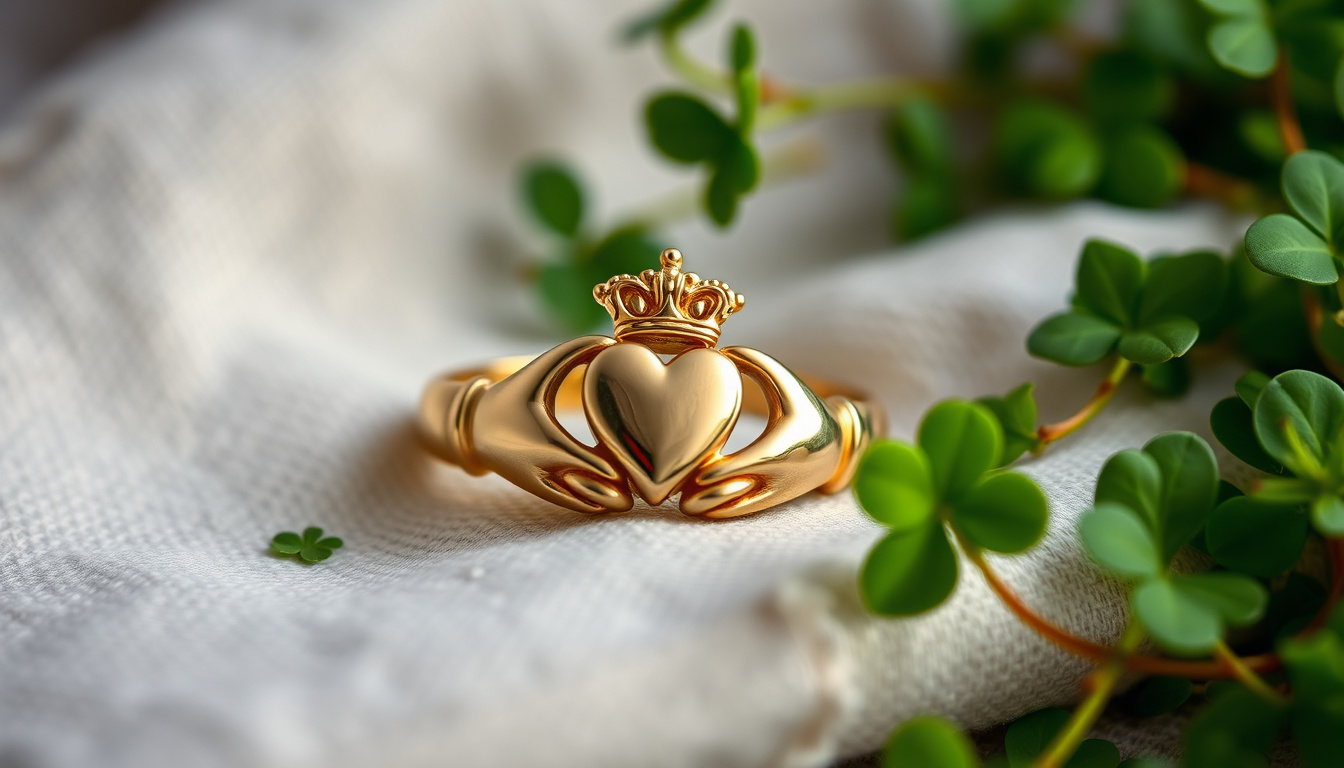
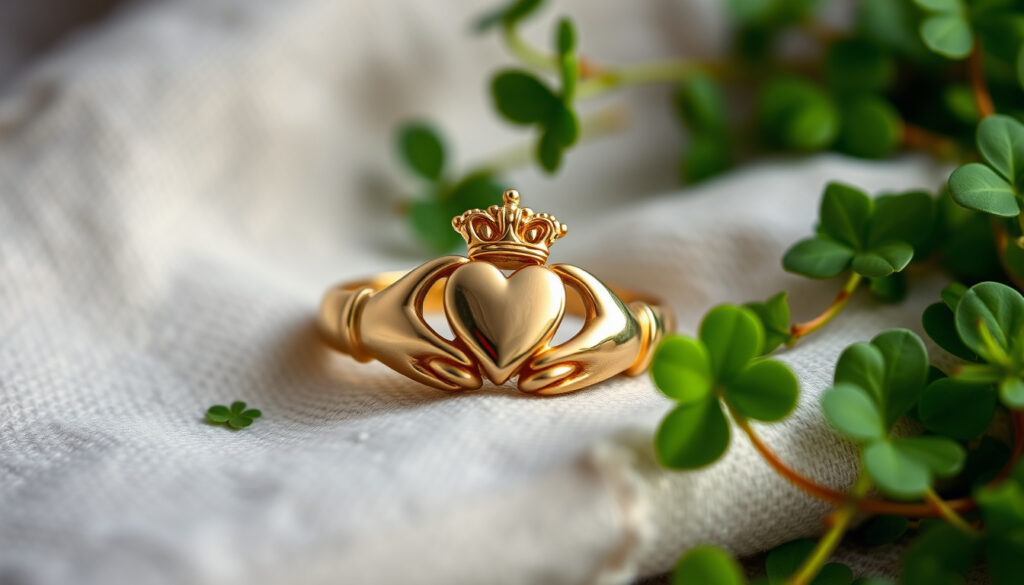
Yes, and the tradition has deep roots. The Claddagh ring is a traditional Irish ring associated with love, loyalty, and friendship. (Claddagh Rings, Irish cultural retailer) explains that the Claddagh design consists of two hands holding a heart topped with a crown. The way you wear it carries specific meaning: a Claddagh worn on the right hand with the heart facing out signals that the wearer is not in a relationship. Worn on the right hand with the heart facing in, it signals a committed relationship. On the left hand with the heart facing out, it signals engagement. As a wedding ring, it is worn on the left ring finger with the heart facing inward. The Claddagh effectively functions as a promise ring — but with its own set of rules that predate modern promise ring culture by centuries.
Modern Irish promise rings
Alongside the traditional Claddagh, modern Irish jewellery brands have embraced the promise ring category. Companies like (Solvar, Irish jewellery maker) and (Keanes Jewellers, Galway‑based retailer) offer promise rings that range from simple gold bands to designs incorporating Celtic knots. (Pandora, global jewellery brand) also markets promise rings. This blend of centuries-old Claddagh tradition and modern branded options means Irish buyers have more choices — and more ambiguity — than any other market.
The pattern: Ireland uniquely offers both a historic promise ring (the Claddagh) and modern alternatives, creating a richer but more complex decision than anywhere else.
How serious is a promise ring vs an engagement ring?
Here’s a side-by-side comparison of promise rings and engagement rings:
| Aspect | Promise Ring | Engagement Ring |
|---|---|---|
| Meaning | Commitment, pre-engagement promise | Formal proposal, binding commitment to marry |
| Cost | €100–€500 | €3,000+ |
| Finger | Often left ring finger, but also right or others | Almost always left ring finger |
| Commitment level | Informal, intention to marry | Binding, accepted proposal |
| Timing in relationship | 6 months to 2 years | Typically after promise ring, varies |
Level of commitment
A promise ring is less formal than an engagement ring. (Gabriel & Co.) describes it as a symbol of commitment “before engagement” — it indicates intention to marry but no formal proposal has been made. Engagement rings, by contrast, represent a binding commitment with a specific proposal and typically a more expensive, diamond-centred design. The promise ring’s typical cost range of €100–€500 reflects its less formal status compared to engagement rings, which average over €3,000 in Ireland according to industry estimates.
Social perception
Socially, a promise ring triggers different reactions. In Irish social circles, a left-ring-finger promise ring may be mistaken for an engagement ring, leading to awkward questions. A right-hand placement avoids this but may be viewed as less serious. (GoodStone, jewellery educator) notes that some “modern wearers choose the middle finger” specifically to avoid marriage symbolism. The Claddagh ring adds another layer: its placement and orientation already communicate relationship status without the stigma of “not being engaged yet.”
A promise ring on the left hand signals commitment but risks being read as engagement — creating social pressure that the ring’s informal nature was meant to avoid. Irish couples who want clarity may find the Claddagh’s built-in signalling system more reliable.
What is the 3 month salary ring rule?
Origins of the rule
The “3-month salary” rule originated as a marketing campaign by De Beers in the 20th century to boost diamond sales for engagement rings. It was never a tradition, a regulation, or an industry standard — just an advertising slogan that stuck. (Gabriel & Co.) and (GoodStone, jewellery educator) both implicitly recognise that promise rings follow no such rule: their guides focus on finger placement and meaning, not spending guidelines.
Relevance for promise rings
The 3-month rule does not apply to promise rings. Promise rings are typically simpler, less expensive, and not marketed with the same diamond-driven pricing pressures. In Ireland, a quality gold promise ring from Solvar or Keanes typically costs €150–€400 — well within a month’s salary for most workers. The rule’s irrelevance is a relief: couples can choose a ring that reflects their specific relationship stage without feeling pressured to overspend.
The catch: marketing myths like the 3-month rule persist online, and some consumers may still feel pressure to spend more than necessary. Irish buyers should trust the practical guidance from local retailers rather than viral marketing advice.
Promise rings timeline
Three key periods shaped how we think about promise rings today, from an Irish village to global branding campaigns:
- 18th century: Claddagh ring tradition begins in Ireland as a symbol of love and loyalty. The design and wearing rules are established in the fishing village of Claddagh, Galway (Claddagh Rings, Irish cultural retailer).
- 2000s: Modern popularity of promise rings rises globally, driven by celebrity culture and teen media. The ring evolves from a niche tradition to a mainstream relationship milestone (Gabriel & Co., jewellery retailer).
- 2010s: Major jewellery brands such as Pandora and Solvar market specific promise ring collections, cementing the product category in the mainstream jewellery market.
The pattern: promise rings have evolved from a single regional tradition to a global product category — but the confusion about rules and meaning has grown faster than the market.
Promise ring: confirmed facts and what remains unclear
Confirmed facts
- Promise rings are a pre-engagement symbol of love, loyalty, or commitment (Gabriel & Co., jewellery retailer).
- The Claddagh ring is an Irish promise ring tradition with specific wearing rules for relationship status (Claddagh Rings, Irish cultural retailer).
- The left ring finger is the most common modern placement, but the right hand is also widely recommended (GoodStone, jewellery educator and Ouros Jewels, online jewellery brand).
What’s unclear
- The exact origin of the 3-month salary rule — it is widely attributed to De Beers marketing but no definitive primary source from the company confirms it.
- How quickly a promise ring should precede an engagement — no standard timeline exists; it varies from 6 months to several years.
- Whether the Claddagh ring is a “promise ring” in the modern sense or a separate cultural artefact with its own rules.
The key takeaway: what is confirmed is backed by sources, but ambiguity persists around rules and timelines.
Perspectives from experts on promise rings
“A promise ring is a way to say ‘I’m committed to you’ without the formality of a proposal.”
— Expert from Diamond Factory Ireland, explaining promise ring vs engagement ring
“The Claddagh ring has been Ireland’s promise ring for centuries — with clearer rules than any modern guide.”
— Cultural historian on Claddagh ring, discussing origins and meaning of Irish promise rings
For those exploring this tradition further, a guide to promise rings for her offers practical advice on choosing the right design and understanding its personal significance.
Frequently asked questions
Can you wear a promise ring on your right hand?
Yes. Some guides specifically recommend the right ring finger to avoid confusion with engagement rings worn on the left hand (Ouros Jewels, online jewellery brand).
Do promise rings have to be gold?
No. Promise rings come in gold, silver, rose gold, and other metals. In Ireland, gold is common but silver and rose gold are also popular (Solvar, Irish jewellery maker).
Can a couple exchange promise rings?
Yes, couples can exchange promise rings as a mutual symbol of commitment. This is becoming more common as the tradition evolves.
Is a promise ring only for women?
No. Promise rings are given by and to people of any gender. The tradition is not gender-specific.
What happens after a promise ring?
If the relationship progresses, the next step is typically an engagement ring. Some couples then wear the promise ring on a different finger or on the right hand.
Do you wear a promise ring after engagement?
Some people continue to wear their promise ring on a different finger or on a necklace. Others retire it once the engagement ring takes its place on the left ring finger.
Can a promise ring be worn on the middle finger?
Yes. GoodStone, jewellery educator, notes that some people choose the middle finger specifically to avoid marriage-related symbolism.
Related reading
- I Love You in Spanish: How to Say It Right (Te Quiero vs Te Amo) — Understanding expressions of love across languages.
- Love Island All Stars: Season 3 Couples and Updates — Modern relationship dynamics in popular culture.
For an Irish couple deciding between a Claddagh ring and a modern promise ring, the choice is not about price or fashion — it is about which signal they want to send to their community. The Claddagh offers centuries of built-in relationship coding; the modern promise ring offers flexibility and personalisation. The implication is clear: pick the tradition that matches your intent, or the one your partner will interpret correctly.
Related stories





Jessica Morin is Provincial Affairs Editor at Toronto Post, covering Ontario policy, provincial politics and regional economics.